



Security for Vacant Properties That Works
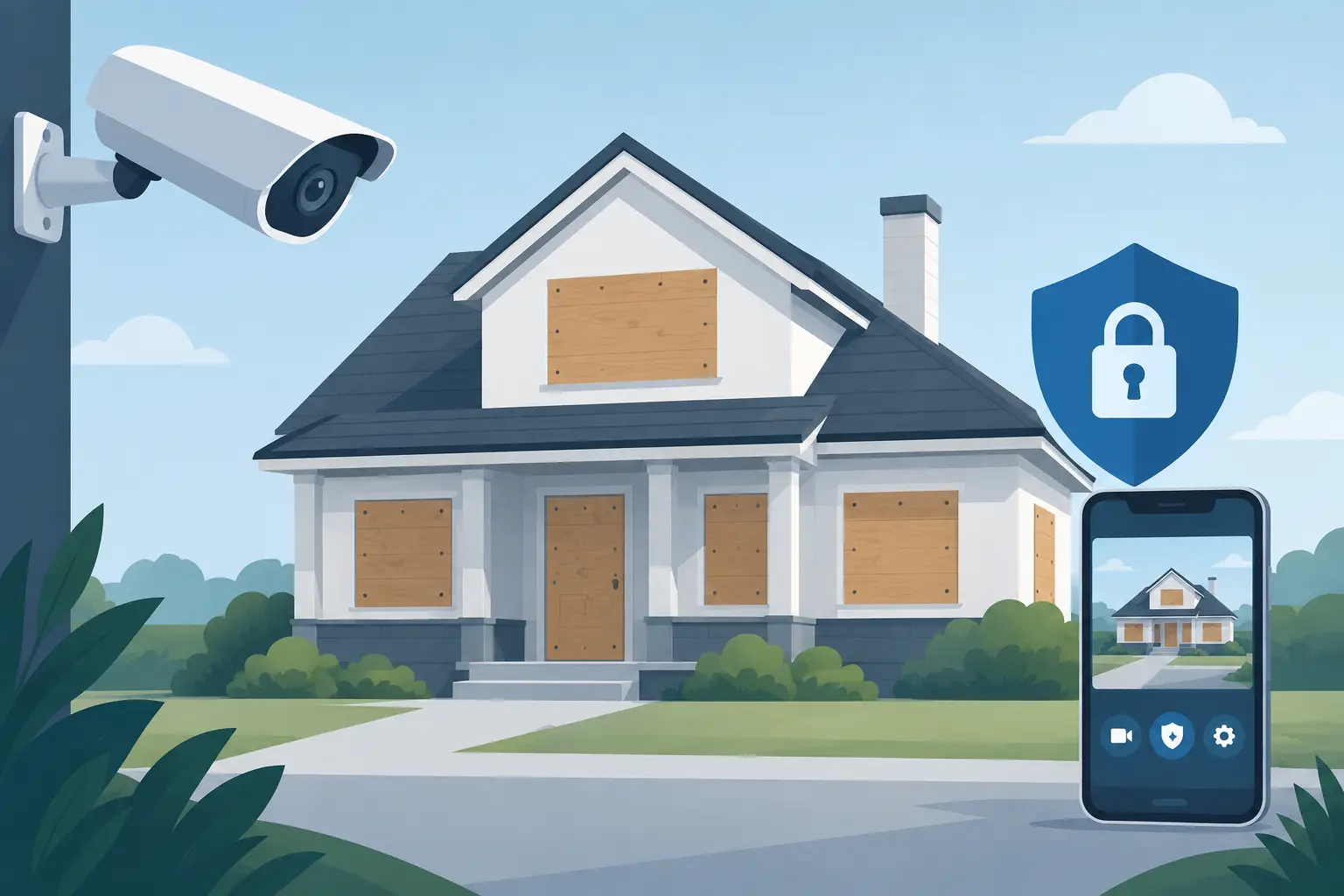
A vacant building can draw attention within days. A dark storefront, an inactive construction site, or an unoccupied rental unit signals opportunity to trespassers, thieves, vandals, and squatters. Effective security for vacant properties protects more than the building itself. It protects equipment, insurance standing, project schedules, neighborhood confidence, and the owner's ability to return the site to service without costly surprises.
The right approach is rarely a single camera or an occasional drive-by. Vacant sites have different exposure levels, access points, and surrounding conditions. A property manager overseeing a vacant retail unit in Surrey faces different concerns than a contractor securing materials at a paused project in Vancouver. The security plan must reflect those realities.
Why vacant properties become high-risk sites
Vacancy removes the ordinary activity that discourages unwanted behavior. Staff are not arriving in the morning, customers are not moving through a retail center, and tenants are not reporting suspicious activity. A building may look secure from the street while a rear loading entrance, unsecured fence panel, or dark stairwell creates an easy entry point.
The most common incidents are not limited to theft. Copper wiring, tools, appliances, and construction materials are frequent targets, but vandalism, graffiti, dumping, water damage, fire, and unauthorized occupancy can produce equally serious losses. Once someone gains access, damage can escalate quickly. A broken window can become an open door, then a recurring gathering place, then a major cleanup and repair project.
There is also a liability concern. Owners and managers remain responsible for maintaining a reasonably safe property, even when no one is meant to be inside. If a trespasser is injured after entering through a known unsecured area, the incident may create legal, insurance, and reputational consequences. Prompt documentation and visible preventive measures matter.
Start with a site-specific risk assessment
Security for vacant properties should begin before a guard is posted or equipment is installed. Walk the property at the times it is most vulnerable, including after dark. Review every point of entry, the condition of fencing and locks, blind spots around the building, nearby transit stops, alley access, vacant neighboring units, and patterns of activity in the area.
A useful assessment also considers what remains on site. Empty buildings are not always empty. They may hold HVAC equipment, electrical panels, fixtures, inventory, confidential documents, construction machinery, fuel, or hazardous materials. Each asset changes the level and type of protection required.
Ask practical questions. Is the property vacant for two weeks, six months, or an unknown period? Is renovation work occurring intermittently? Are trades entering on scheduled days? Does the alarm system still have power and monitoring? Is there a history of break-ins, nuisance activity, or illegal dumping? These answers determine whether scheduled patrols are sufficient or whether a dedicated on-site officer is warranted.
Match coverage to the actual threat
A low-risk vacant office suite inside an occupied, access-controlled building may only need periodic inspections and alarm response. A standalone warehouse containing equipment, or a construction site with exposed materials, may need overnight guard coverage and controlled access around the clock.
The trade-off is straightforward: reducing visible coverage can lower short-term costs, but it may increase the chance that an intrusion goes unnoticed for hours or days. Conversely, continuous coverage may be unnecessary where a layered plan of physical controls, monitored alarms, cameras, and frequent patrols addresses the documented risk. Good security is not about applying the most expensive option. It is about closing the gaps that create preventable losses.
Build layers that make entry difficult and detection fast
Physical security is the first layer. Repair damaged fences, secure gates, install quality locks, board or reinforce vulnerable windows, and remove debris that can help someone climb or conceal themselves. Keep exterior lighting operational, especially near doors, loading areas, utility rooms, and walkways. Trim landscaping that blocks sightlines from the street or neighboring businesses.
Technology adds another layer, but it requires active management. Cameras should cover access points, perimeter lines, valuable assets, and areas where intruders can hide. They should be positioned for usable identification, not simply broad footage. Alarm contacts, motion detection, glass-break sensors, and monitored fire systems can provide early warning when properly maintained.
Technology alone does not physically investigate an alarm, challenge an intruder, inspect a damaged door, or coordinate the immediate response to a developing issue. That is where trained personnel bring practical value. Mobile patrol officers can perform documented exterior and interior checks, verify alarm events, inspect access points, and report maintenance concerns before they become security failures.
For higher-risk sites, an on-site guard provides a visible deterrent and immediate presence. Professional officers should understand site procedures, authorized access rules, emergency contacts, reporting requirements, and when to involve law enforcement or fire services. Their role is not simply to stand at a gate. It is to observe, deter, document, communicate, and respond within the scope of a clear site plan.
Control access without disrupting legitimate work
Vacant properties often still have approved visitors. Cleaners, contractors, inspectors, brokers, restoration crews, utility providers, and prospective tenants may require entry. Informal key handoffs create confusion and make it difficult to establish who was on site when an incident occurred.
Use a clear access process. Limit keys and codes to authorized individuals, change access credentials when contractors finish, and maintain a visitor log for every entry. For sites with recurring work, a guard can verify identification, confirm authorization, record arrival and departure times, and ensure doors are secured after crews leave.
This is especially valuable during construction pauses and tenant turnovers. Materials may remain on site while multiple subcontractors move in and out. The goal is not to burden legitimate workers. It is to maintain accountability when normal site operations are reduced.
Make inspections documented and actionable
A security presence only delivers full value when findings are documented and acted on. Every patrol or site check should confirm the condition of gates, doors, windows, fencing, lighting, alarms, cameras, and visible assets. Officers should note suspicious vehicles, signs of attempted entry, water leaks, fire hazards, graffiti, dumped materials, or changing activity around the property.
Detailed reporting gives property managers a usable record. It helps identify patterns, supports insurance discussions after an incident, and shows whether repairs are being completed. A report that merely says "all clear" offers limited protection. A useful report identifies the area checked, the time, the condition observed, any action taken, and any item requiring follow-up.
Response protocols should also be defined before an incident occurs. Identify who receives notifications, who can authorize emergency repairs, which contractor handles boarding or locksmith work, and when police, fire, or emergency restoration services should be called. Delays often happen because no one knows who has decision-making authority after hours.
Choose a security partner that can adjust
Conditions at a vacant property change. A project may restart, a new tenant may be preparing to move in, or a nearby incident may increase local risk. Security coverage should be reviewed when those conditions change, rather than left on autopilot.
For property owners and managers in Surrey, Vancouver, and surrounding communities, Live Guard Security Ltd begins with the property, the people who need access, and the risks that are actually present. Licensed, background-checked, bonded, and insured personnel can provide mobile patrols, alarm response, and on-site guard coverage designed around the site rather than a generic schedule.
The strongest plans are flexible enough to increase patrol frequency after a break-in attempt, add overnight coverage during a construction delay, or reduce on-site hours once a building becomes occupied and regular activity returns. Local accountability matters because security decisions often need to be made quickly, based on what is happening at the property that night.
A vacant property does not need to become an easy target. When access is controlled, vulnerabilities are inspected, alarms receive a real response, and trained officers provide visible presence where it counts, owners can keep a temporary vacancy from turning into a lasting loss.
Need security guards in the Lower Mainland?
Live Guard Security Ltd provides licensed guards, mobile patrols and alarm response across Surrey, Vancouver, Burnaby and the rest of the Lower Mainland, 24 hours a day.
Get a free quote